2026-11-19 ·
Typical Repair Needs For Outdoor Spigots On Older Tinley Park Properties
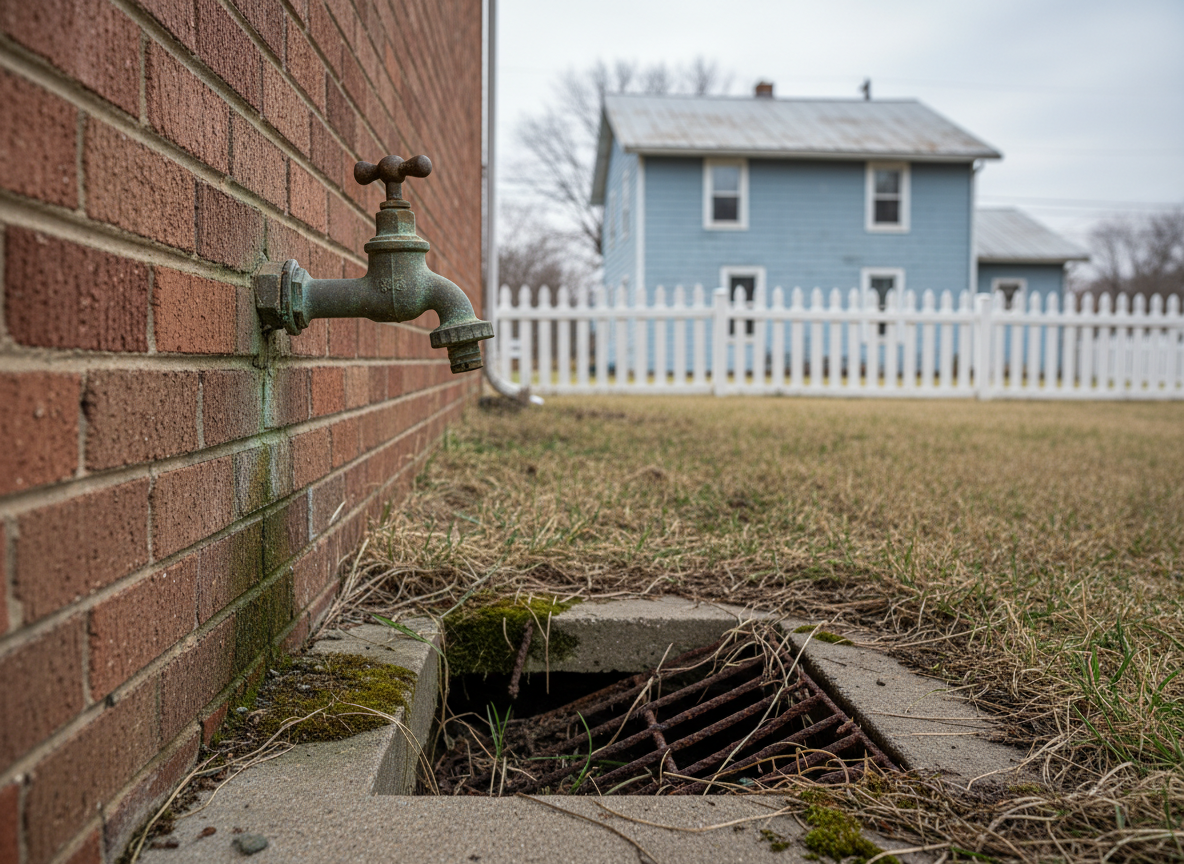
Older Tinley Park properties often need outdoor spigot repairs focused on leaks from deteriorated internal washers and stems cracked by repeated freezing. These issues arise because many homes built before 1980 still use original brass fixtures exposed to the area's humid continental climate with hot summers and cold winters.
Spotting Valve and Packing Leaks
Worn valve seats and packing nuts around the handle are the most frequent failure points on older outdoor spigots. Homeowners can check for moisture at the base of the faucet or along the stem after turning the water on and off several times. When packing material dries out, water seeps past the nut even when the handle is fully closed. Replacing the packing or the entire stem assembly restores a tight seal without replacing the whole unit. In many cases the threaded connection to the supply pipe also loosens over decades, creating another slow drip that saturates siding or foundation walls. Regular visual inspections after heavy summer rains help catch these leaks before they worsen.
Freeze Damage in Local Winters
Tinley Park winters regularly push temperatures below freezing, and older spigots without proper shutoff valves inside the home suffer cracked bodies or split supply lines. Water left inside the faucet expands and forces seams apart, often leaving visible bulges or hairline fractures along the spout. Properties with spigots installed before modern frost-proof designs are especially vulnerable. After the first hard freeze, residents should look for water pooling near the foundation or reduced flow once temperatures rise again. Learning the correct sequence for shutting off interior valves and opening exterior spigots prevents most of this seasonal damage. The guide How To Shut Off And Drain Outdoor Faucets Before Tinley Park Winters walks through the steps for local homes.
Handle and Stem Wear on Aging Fixtures
Decades of use round off the square stem or strip the threads inside the handle, making it impossible to turn the water fully off. Older brass stems also corrode where they contact the packing, creating grooves that no longer seat properly. When handles spin without stopping the flow, the typical repair involves replacing the stem and seat washer as a matched set. Some properties still have compression-style faucets that require periodic tightening of the packing nut before the material hardens completely. Checking the handle movement at the start and end of each season reveals these problems while they remain simple to correct.
When Full Replacement Becomes Necessary
If the supply pipe feeding the spigot has corroded or the faucet body itself has split, replacement is usually the practical next step. Older Tinley Park homes often have galvanized lines that narrow with rust, reducing pressure at the outdoor fixture. Swapping to a new frost-proof spigot at that point also allows installation of a proper interior shutoff valve if one is missing. Homeowners can review the differences between standard and frost-proof models on the Outdoor Faucet Installation page before deciding. Matching the new unit to the existing pipe size avoids additional adapters that can become future leak points.
Connection to Yard Drainage Issues
Outdoor spigot leaks frequently feed into nearby yard drains, especially on older lots where downspouts and foundation drains already handle heavy summer runoff. Persistent dripping can overwhelm a clogged or undersized drain line and push water back toward the house. Checking the nearest yard drain after testing the spigot helps identify whether the two systems are interacting. When drains show standing water after spigot use, the Underground Drain Pipe Repair page outlines common fixes for older Tinley Park properties. Keeping both the spigot and the drain clear prevents combined problems during the wet spring months.